
Validation-Ready Analytics for Biopharma and Life Sciences Companies Through Tableau Cloud Consulting Services in New Jersey


Understanding the Need for Validation-Ready Analytics in New Jersey
Biopharmaceutical and life sciences companies in New Jersey operate in an environment where business decisions are closely connected to quality, compliance, patient safety, and research accuracy. Teams work with clinical, manufacturing, laboratory, supply chain, financial, and commercial data that must be interpreted consistently. Traditional reporting methods often depend on spreadsheets, manually prepared presentations, and disconnected data sources, making it difficult to maintain reliable reporting standards. Tableau Cloud Consulting Services in New Jersey can help organizations build a more structured analytics environment where approved data sources, controlled access, documented calculations, and repeatable reporting processes support better decision-making. By combining Tableau Cloud with appropriate governance practices, life sciences companies can improve visibility while creating analytics processes that are easier to review and maintain.
Why Validation-Ready Analytics Matters for Life Sciences
Validation-ready analytics does not simply mean creating attractive dashboards. It means designing reporting processes that can be explained, reviewed, tested, and reproduced. For biopharma companies, an analytics result may influence production planning, clinical operations, quality investigations, inventory decisions, or commercial forecasting. If the underlying data or calculation cannot be traced, users may struggle to understand whether the result is dependable. Tableau Cloud Consulting Services in New Jersey can support a more controlled analytics model by helping teams define reporting requirements, identify critical data elements, document calculations, and establish consistent approval procedures. This approach allows dashboards to become part of a dependable business process rather than functioning as isolated visual reports.
Connecting Disconnected Data Sources
New Jersey life sciences companies often manage information across laboratory systems, enterprise resource planning platforms, manufacturing applications, clinical databases, quality systems, customer relationship management platforms, and external data providers. These systems may use different formats, naming conventions, and refresh schedules. As a result, teams may spend significant time reconciling information before they can analyze it. Tableau Cloud Consulting Services in New Jersey can help design a reporting architecture that brings approved data into a consistent analytical structure. The objective is not to move every system into one platform, but to establish reliable connections between important data sources and create clear ownership for the information used in dashboards.
Establishing Trusted Data Definitions
A dashboard becomes difficult to trust when different departments use different definitions for the same metric. For example, manufacturing, quality, and finance teams may calculate production yield, batch release time, deviation rate, or inventory availability differently. These inconsistencies can create confusion during management reviews and compliance-related discussions. A structured Tableau implementation can help organizations define common business terms, calculation rules, filters, and reporting boundaries before dashboards are developed. With Tableau Cloud Consulting Services in New Jersey, biopharma organizations can create shared definitions for key performance indicators and document how each metric is produced. This improves consistency across departments and reduces the risk of conflicting reports.
Supporting Data Lineage and Traceability
Data lineage is an important part of dependable analytics because it explains where a reported value originated and how it was transformed. In a life sciences environment, users may need to understand which source system supplied a value, when the data was refreshed, what filters were applied, and which calculations were used. Tableau Cloud can support a governed reporting environment when it is configured with clear data ownership, documented sources, and controlled publishing processes. Tableau Cloud Consulting Services in New Jersey can help teams map important reporting elements from source systems to dashboards, identify critical transformations, and maintain documentation for business and technical reviewers. This makes it easier to investigate unusual results and explain reporting logic.
Designing Role-Based Access and Security
Life sciences organizations handle sensitive information related to research, employees, patients, suppliers, customers, and commercial operations. Not every user should have access to every dataset or dashboard. A validation-ready analytics environment therefore requires a clear access model based on job responsibilities, business need, and data sensitivity. Tableau Cloud consulting can help configure user groups, permissions, project access, and row-level security where appropriate. For example, a manufacturing manager may need access to plant-level performance data, while a corporate executive may require consolidated information. By applying controlled access through Tableau Cloud Consulting Services in New Jersey, organizations can improve data protection while ensuring that employees receive the information required for their roles.
Managing Dashboard Development Through Controlled Processes
Uncontrolled dashboard development can create multiple versions of the same report, inconsistent calculations, and uncertainty about which workbook is approved for business use. A controlled development process helps separate development, testing, review, and production publishing. Teams can establish naming conventions, ownership rules, versioning practices, change documentation, and approval checkpoints. Tableau Cloud Consulting Services in New Jersey can help life sciences companies organize their Tableau environment so that dashboards move through a defined lifecycle. This supports better accountability and reduces the possibility that an unreviewed report will be used for an important operational or management decision.
Testing Calculations and Reporting Logic
A dashboard may display correct-looking information while still containing errors in filters, joins, aggregation rules, date logic, or calculated fields. Testing should therefore cover both the underlying data and the final visualization. Biopharma teams can define expected results, compare dashboard values with approved source reports, test boundary conditions, and verify that filters behave as intended. Tableau Cloud consulting can support the creation of test scenarios for critical dashboards, including production performance, quality metrics, clinical operations, and supply chain reporting. Documenting the testing process provides reviewers with evidence that the dashboard was assessed against defined requirements before it was released.
Improving Manufacturing and Quality Analytics
Manufacturing teams need timely insight into batch performance, equipment utilization, production delays, material availability, deviations, and corrective actions. Quality teams may also need to monitor investigation trends, recurring issues, inspection readiness, and release-related activities. Tableau Cloud can bring these indicators into a shared analytical environment when the source data is appropriately prepared and governed. With Tableau Cloud Consulting Services in New Jersey, manufacturers can develop dashboards that show operational patterns without losing the context required for quality review. This can help teams identify recurring problems earlier, prioritize investigations, and improve coordination between production, engineering, quality, and supply chain departments.
Supporting Clinical and Research Operations
Clinical and research teams work with complex datasets that may change frequently and require careful interpretation. Analytics can support enrollment tracking, study milestones, site performance, protocol activities, resource planning, and operational risk monitoring. However, dashboards must be designed with attention to data sensitivity, appropriate aggregation, and clearly defined reporting purposes. Tableau Cloud Consulting Services in New Jersey can help research organizations create controlled dashboards for operational visibility while respecting the restrictions associated with sensitive research and patient-related information. Proper governance ensures that analytics supports study management without encouraging inappropriate access or unsupported conclusions.
Strengthening Supply Chain Visibility
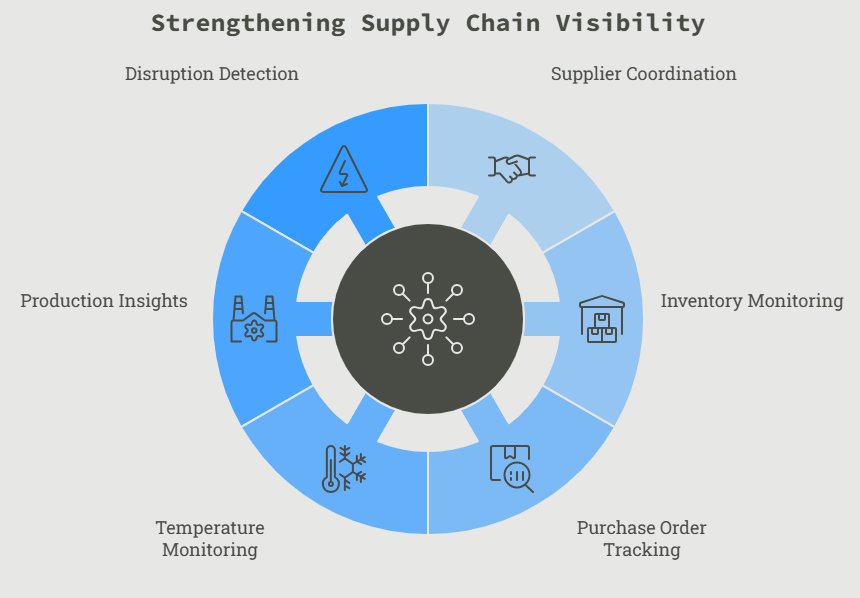
Biopharma supply chains depend on reliable coordination between suppliers, manufacturing locations, distribution partners, warehouses, and commercial teams. Delays in raw materials, packaging components, temperature-sensitive products, or transportation can affect production and customer commitments. Tableau Cloud dashboards can help teams monitor inventory levels, supplier performance, purchase order status, production requirements, and distribution trends. Through Tableau Cloud Consulting Services in New Jersey, organizations can combine approved supply chain data with consistent calculations and scheduled refreshes. This allows planners to identify potential disruptions, compare performance across locations, and respond to changing demand with greater confidence.
Monitoring Commercial and Market Performance
Life sciences companies also require analytics for sales performance, product demand, territory activity, customer engagement, and market trends. Commercial reporting often combines internal CRM data with external market information, which can create challenges around data quality and consistency. Tableau Cloud consulting can help teams establish a common reporting structure for commercial analytics, define approved metrics, and provide controlled access to sensitive business information. By using Tableau Cloud Consulting Services in New Jersey, commercial leaders can review performance through standardized dashboards rather than relying on disconnected spreadsheets prepared by different teams.
Creating a Reliable Refresh and Monitoring Strategy
A dashboard is only useful when its data is current enough for the decision it supports. Different business functions may require different refresh schedules. Operational dashboards may need frequent updates, while monthly financial reporting may follow a formal close process. A reliable Tableau Cloud environment should define refresh ownership, expected timing, failure notifications, and escalation procedures. Tableau Cloud Consulting Services in New Jersey can help organizations design refresh strategies based on business importance and source-system capabilities. Monitoring data freshness also helps users distinguish between a current result, a delayed update, and a report that requires investigation.
Documenting Business and Technical Requirements
Validation-ready analytics begins before dashboard development. Business users should define the purpose of the report, intended audience, required metrics, source systems, filters, security needs, and acceptable output. Technical teams can then translate these requirements into data models, calculations, dashboard layouts, and testing criteria. Tableau Cloud consulting can help facilitate this process through requirement documents, metric dictionaries, source-to-target mappings, and review sessions. Clear documentation reduces misunderstandings and creates a reference point for future changes, audits, and user training.
Preparing for Audits and Internal Reviews
Audits and internal reviews may require organizations to demonstrate how reporting processes are managed and how important results are produced. Although analytics dashboards are not automatically validated simply because they are hosted in the cloud, a controlled implementation can provide useful supporting documentation. This may include approved requirements, access records, testing evidence, change history, data-source information, and dashboard ownership details. Tableau Cloud Consulting Services in New Jersey can help companies organize these materials and align reporting practices with their broader quality and governance procedures. The exact validation approach should be determined by the organization’s quality, regulatory, legal, and information technology teams.
Managing Changes Without Losing Reporting Consistency
Business requirements, source systems, product portfolios, and regulatory expectations can change over time. A change to a source field or calculation may affect multiple dashboards and downstream decisions. A structured change-management process helps teams assess the impact before modifications are released. Tableau Cloud consulting can support impact analysis, stakeholder review, regression testing, and communication of approved changes. This allows New Jersey biopharma companies to improve their analytics environment without introducing unexpected differences between previous and current reporting results.
Training Business Users and Dashboard Owners
Even a well-designed analytics platform can produce inconsistent results if users do not understand how to interpret or use it. Training should cover dashboard navigation, filters, data freshness, metric definitions, access responsibilities, and appropriate use of exported information. Dashboard owners should also understand how to request changes, report data issues, and maintain documentation. Tableau Cloud Consulting Services in New Jersey can include role-based training for executives, analysts, operational users, administrators, and data stewards. This encourages responsible adoption and helps ensure that dashboards are used according to their intended purpose.
Building a Scalable Tableau Cloud Environment
As analytics adoption grows, organizations may create hundreds of dashboards across manufacturing, quality, research, supply chain, finance, and commercial departments. Without a scalable structure, users may struggle to locate approved content or determine which reports are still maintained. A scalable Tableau Cloud environment should include organized projects, clear ownership, standard templates, certified data sources, permission models, and dashboard retirement practices. Tableau Cloud Consulting Services in New Jersey can help establish these standards so that the analytics environment remains manageable as more departments and data sources are added.
Selecting the Right Tableau Cloud Consulting Partner in New Jersey
Choosing a consulting partner requires more than reviewing dashboard design experience. Biopharma and life sciences companies should evaluate whether the partner understands regulated operating environments, data governance, security, integration, testing, and change management. The right partner should be able to work with business stakeholders, data engineers, quality teams, compliance representatives, and IT administrators. A strong Tableau Cloud Consulting Services in New Jersey provider can help connect technical implementation with operational requirements, ensuring that dashboards are useful, controlled, and aligned with the organization’s broader analytics strategy.
Building a More Reliable Analytics Foundation
For New Jersey biopharma and life sciences companies, the value of Tableau Cloud is not limited to faster reporting or more attractive dashboards. Its greater value comes from creating a consistent, governed, and traceable analytics environment that supports operational decisions and business oversight. By combining reliable data sources, documented calculations, controlled access, testing, and structured change management, organizations can make analytics more dependable. Tableau Cloud Consulting Services in New Jersey provides a practical path toward this goal by helping companies develop reporting solutions that are scalable, reviewable, and aligned with the needs of complex life sciences operations.



Comments